
Sponsorship versus grants. Pitch decks that close. The practical tactics Twin Cities events, nonprofits, and creators use to fund their work — written by people who have built the proposals themselves.
Comprehensive ultimate-guide pillar posts that cover sponsorship topics end-to-end.

Podcast CPMs look impressive on paper. Event sponsorship delivers something podcasts cannot. Here is how to price each correctly — and which one is right for your brand or property.

From your first sponsor conversation to a multi-year corporate partnership program — the complete guide for nonprofit organizers who want reliable funding that is not dependent on grants.

What the data says about sponsorship budgets, brand priorities, and the structural shifts reshaping the market — and what it means for organizers who want to close deals this year.

Every term you will encounter in a sponsorship negotiation, contract, or brand brief — defined plainly for event organizers, nonprofits, and creators.
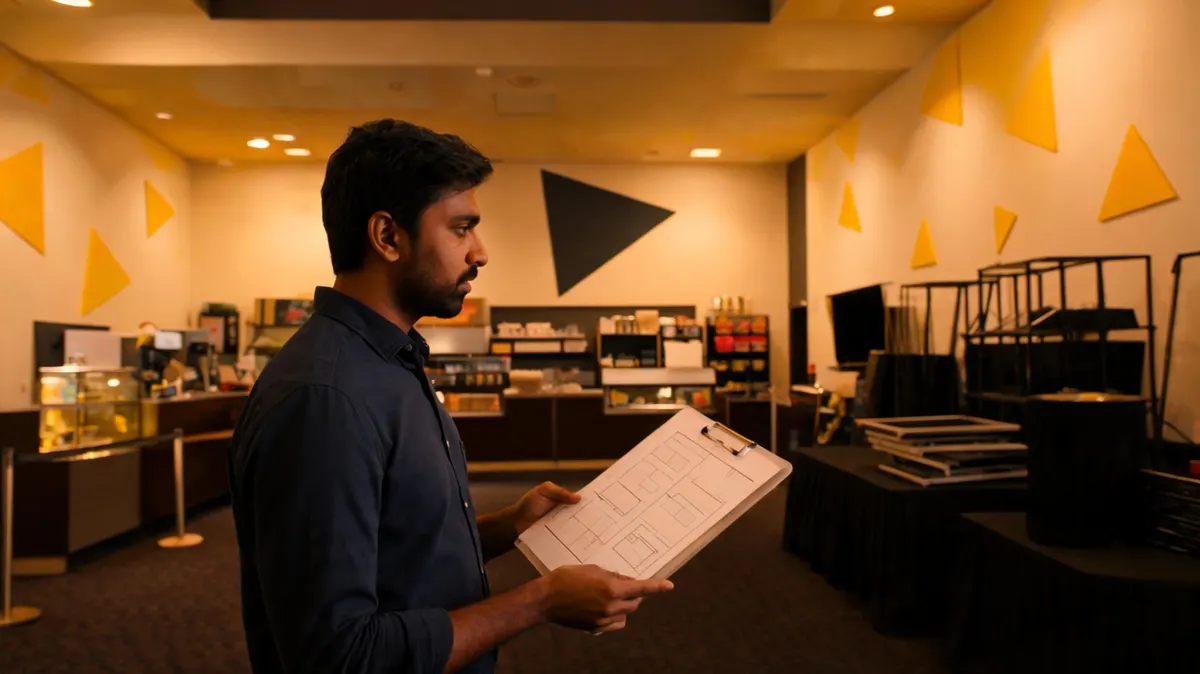
Most film festivals leave 60–70% of their sponsorship revenue on the table by over-indexing on one big title deal. Here is how to build a layered program that fills every tier.

Everything organizers, nonprofits, and creators need to find sponsors, price packages, write proposals, and close deals in 2026.
How to package, price, and present sponsorships brands actually buy.

Most sponsorship decks are too long, in the wrong order, and full of content that serves the organizer's ego instead of the sponsor's decision-making process.
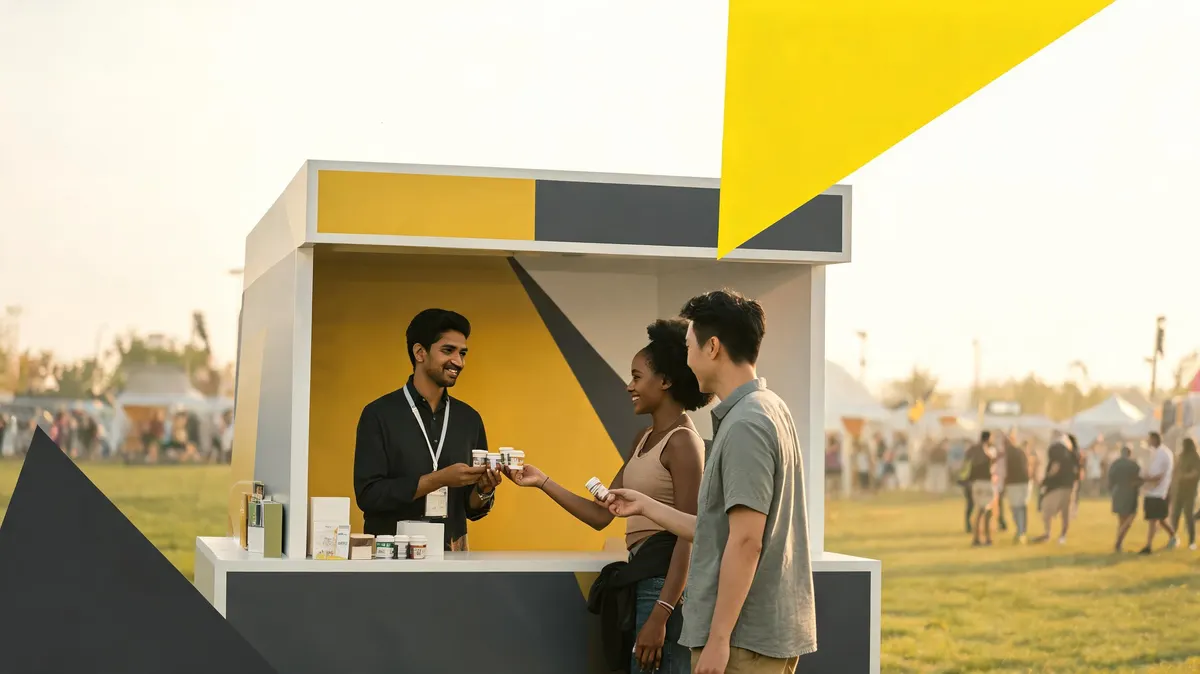
Most activation ideas come from the organizer's imagination. The ones that get funded come from understanding what the brand is actually trying to accomplish.

A sponsorship proposal that closes isn't longer or more polished than one that doesn't. It's structured differently — and it answers the right questions in the right order.

The classic three-tier model works — when it's built on real asset logic and not just gut feeling about what each level should cost.

Stop guessing at sponsorship prices. There's a repeatable formula — and it's based on your actual audience data, not what you wish you were worth.

Before you price a package or send a single pitch, you need to know exactly what you're selling. Most organizers skip this step — and pay for it.
First-party data, audience demographics, and reporting that funders trust.

A sponsor audit report is the difference between a one-time deal and a multi-year partnership. Most organizers send recaps. This is what a real audit report looks like.

Sponsors do not want your headcount — they want to know if your audience looks like their customer. Here are the exact data points to collect and how to present them.

Most sponsorship cold emails get deleted in three seconds. These templates are built around what brand managers actually need to see before they respond.

The best sponsorship fit is not the biggest brand in town — it is the brand your audience already trusts. Here is how to score affinity before you pitch.

Inflated impression numbers make sponsors suspicious and kill renewals. Here is the methodology that builds trust and wins multi-year deals.

Sponsors are paying six figures for audience insights you're already sitting on. Here's how to collect, package, and sell your first-party data before your next event.
Sponsorship playbooks tailored to festivals, sports, nonprofits, podcasts, esports, and more.

Sponsoring an esports event or a content creator operates on different logic than a road race or nonprofit gala. Here is what actually works — and what kills deals in this vertical.

Food festival audiences are in purchase mode. Here is how to structure sampling activations that brands will pay a premium for — and how to price them correctly.

Multi-day music festivals carry more sponsorship inventory than almost any other event type — and most organizers sell less than 40% of it. This is the full playbook.
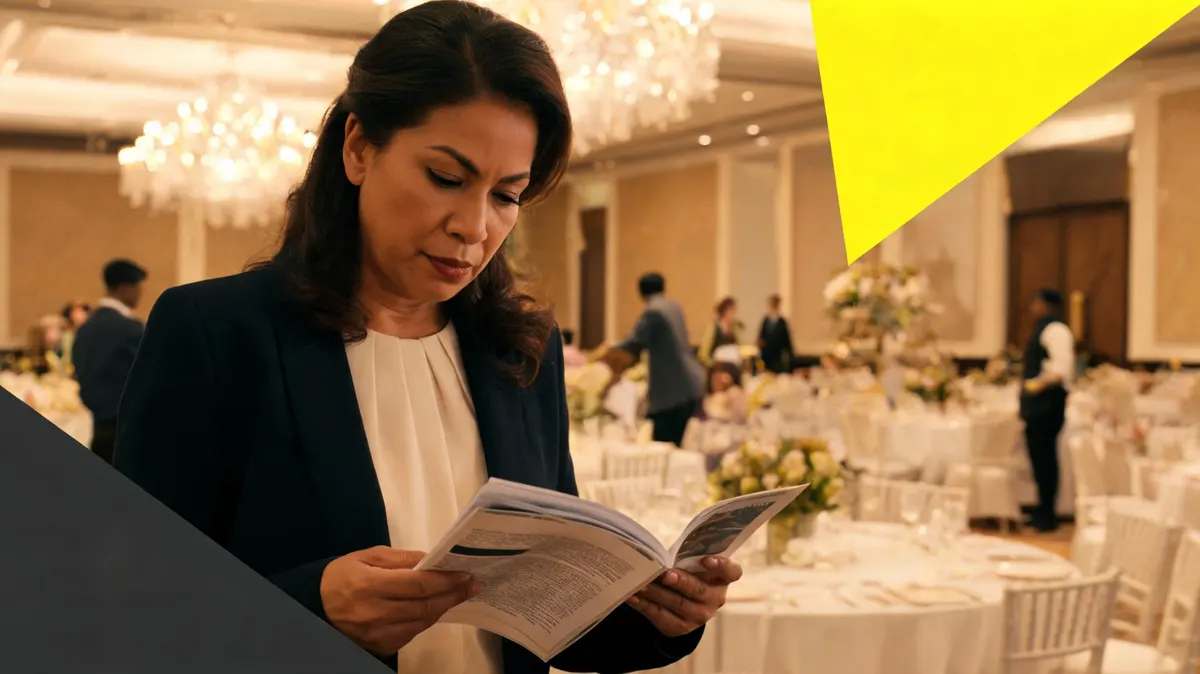
Gala table sponsorships can scale from $5,000 to $50,000 — but only if you stop treating them as donations and start selling them as branded access to a curated audience.

Road races have unique sponsorship assets most events do not — finish line exposure, bib placement, course signage, and a health-conscious audience brands want badly. Here is how to structure your tiers.

The brands funding youth leagues in your market are not who you think. Here is how to find them, approach them, and close deals at every budget level.
Sponsorship landscape, brands, and funding maps for Minneapolis-Saint Paul.
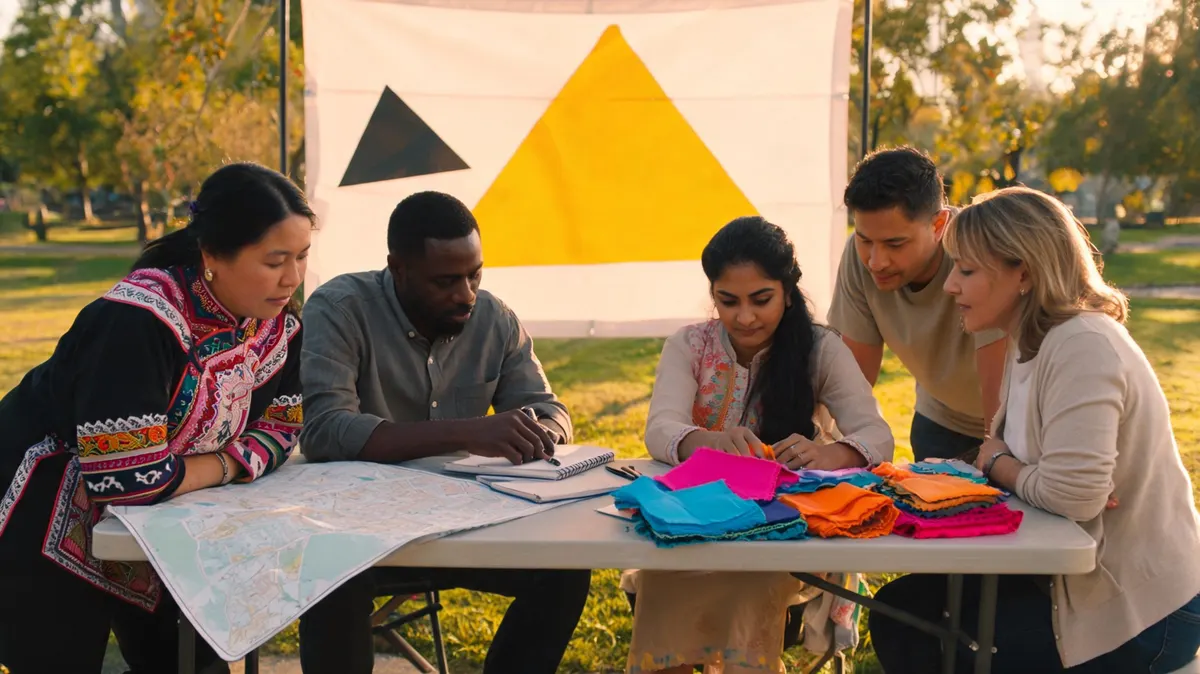
The Twin Cities hosts one of the most diverse cultural festival calendars in the Midwest. The brands that sponsor these events well are building real community equity — not just buying a logo placement.

St. Paul has a distinct identity, a distinct corporate community, and a distinct set of sponsorship opportunities. Here is where to start if you have never done this before.

Minnesota has one of the strongest philanthropic ecosystems in the country. But foundation grants and corporate sponsorships are not interchangeable — and most organizations pitch the wrong one.

The market has shifted. Corporate budgets are consolidating, local brands want measurable ROI, and the events that survive are the ones that adapted their pitch.

The Twin Cities has more Fortune 500 headquarters per capita than nearly any U.S. metro. Here is how to actually get their marketing dollars into your event.

Miss the deadline and you miss the deal. Here is when every major Twin Cities festival opens its sponsorship window — and what happens if you show up late.
Contrarian takes on the sponsorship advice that gets organizers ghosted.

The rates you charged in 2022 are leaving real money on the table. Here's what's driving sponsorship pricing higher — and how to recalibrate.

They asked for your deck. Then nothing. Here's the real reason sponsors go dark — and how to prevent it.

When a brand's interest in your multicultural event is purely cosmetic, you both lose. Here's how to tell the difference — and how to protect yourself.

Brands are done paying for visibility they can't measure. The step-and-repeat era is over — here's what replaced it.

You had their attention for about 30 seconds. Here's exactly how most organizers throw it away.
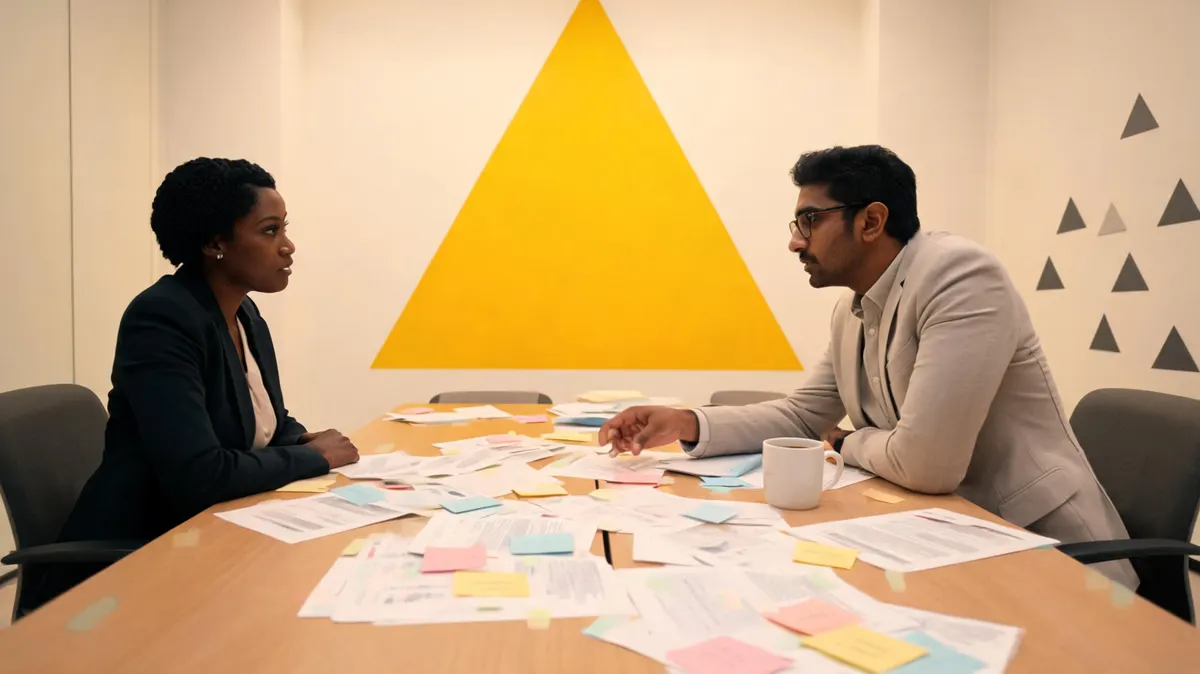
Most organizers only argue over the dollar amount. Here are the five variables that actually move deals.
Composite case studies and walkthroughs from sponsorship operators in the field.

A composite walkthrough of a $25,000 sponsorship negotiation — from first contact to signed contract — including the sticking points, the pivots, and what almost killed the deal.

A composite account of running a high-volume sponsorship program across multiple independent operators — and what the patterns revealed.

A composite walkthrough of a first sponsor meeting — what was said, what went wrong, and what actually moved the deal forward.

The real story behind how Xarify's sponsorship methodology was built — the failures, the pivots, and the moment the system clicked.

A composite story of a Twin Cities arts organization that lost a $40,000 state grant mid-cycle — and replaced it through corporate sponsorship before the fiscal year ended.

A composite story of what happens when you sign a sponsorship agreement without reading the fine print — and how to protect yourself next time.
Templates, workflows, CRM stacks, and processes for sponsorship teams.

Most sponsorship programs fail not because of a bad pitch but because of a broken pipeline. Here are the five tools that actually keep deals from falling through the cracks.

Sponsors are not reading your 30-slide deck. A 90-second verbal pitch — structured correctly — opens more doors than any PDF you will ever send.

One-year deals leave money and stability on the table. Here is the exact 90-day process to convert single-year sponsors into multi-year partners.

A sponsor activation that goes wrong on-site is a renewal that does not happen. Use this run-of-show checklist to make sure every sponsor asset fires on schedule.

Bad invoicing costs you money and kills renewals. Here is exactly what to fix in your billing workflow before your next deal closes.

Most wrap reports get filed and forgotten. Here is the exact structure that turns deliverable proof into a renewal conversation.
Sponsorship versus grants, hybrid funding stacks, and the decisions behind both.
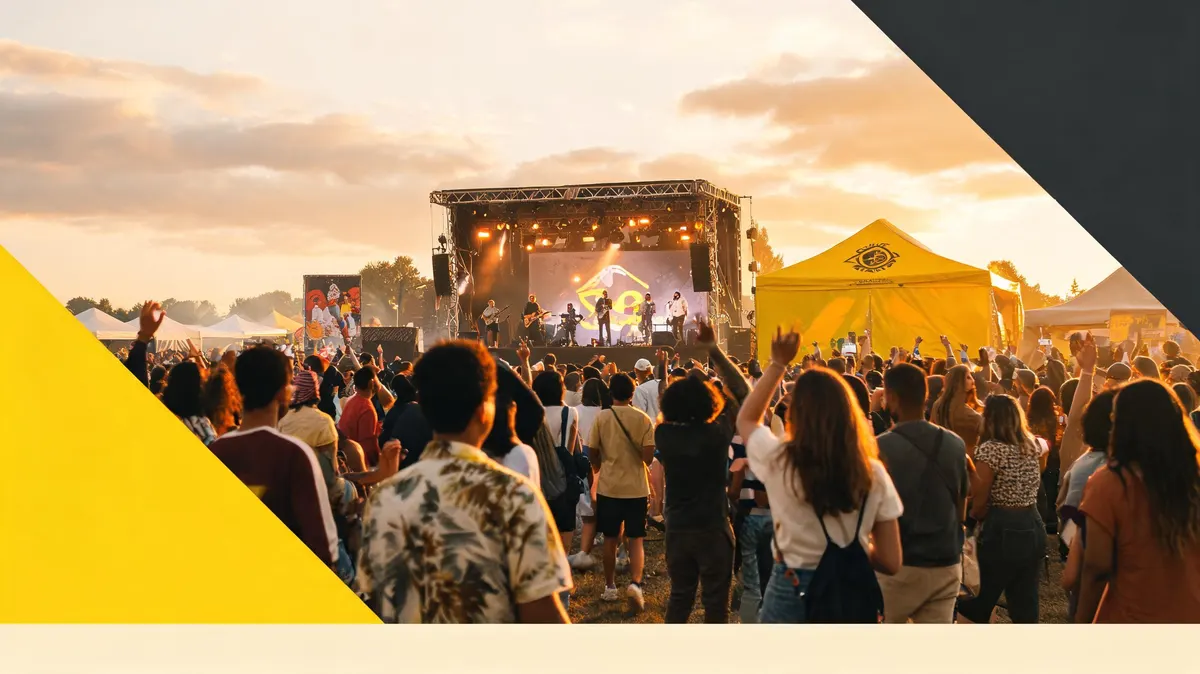
Festivals, concerts, and live events have a built-in advantage in sponsorship — and a structural disadvantage in most grant pipelines. Here's why.

The grant you 'won' may have cost more in staff hours and opportunity cost than a sponsorship deal you could have closed in a quarter.

Why the document that wins you a grant will quietly lose you every sponsor meeting — and what each format actually needs to do.

The most resilient nonprofit and event budgets in 2026 don't pick between sponsorship and grants — they layer them strategically. Here's the stack.

A side-by-side breakdown of how sponsorship dollars and grant dollars actually move — and why your cash flow planning should treat them as totally different instruments.

What ends up in a grant report, what ends up in a sponsor recap, and why mixing them is the fastest way to lose both kinds of funder.