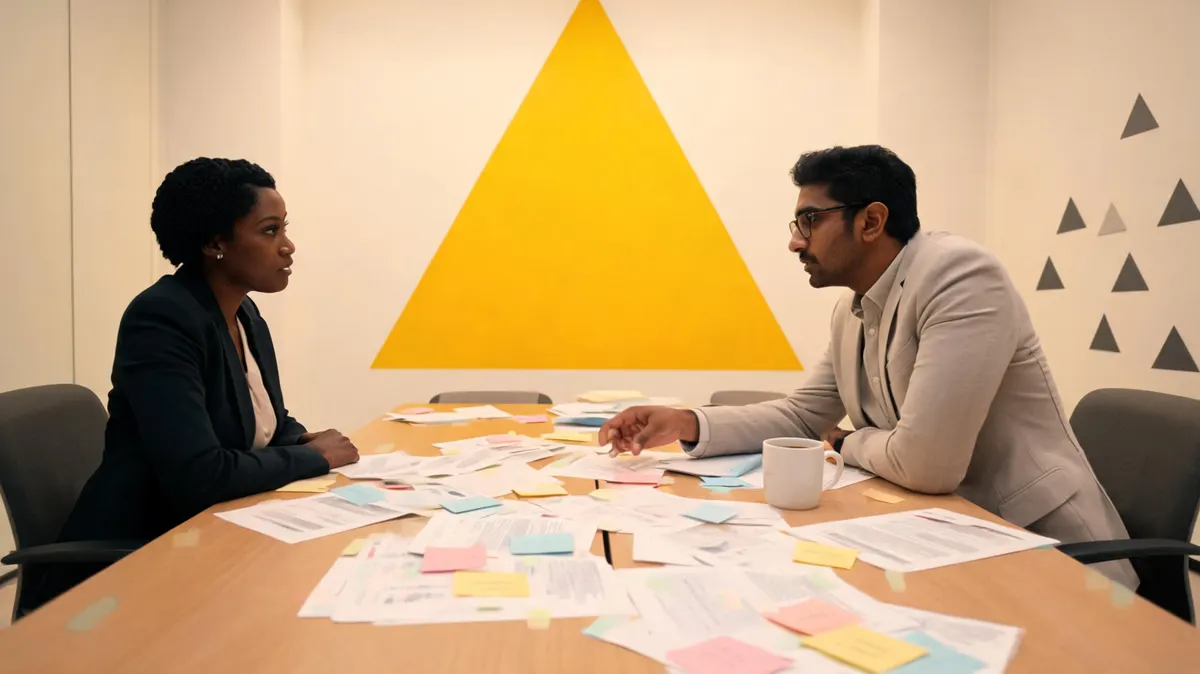

This is a composite sponsorship negotiation case built from a real deal structure that Xarify worked through with an independent festival operator. The numbers and outcomes are accurate to the type of situation described; identifying details have been changed. We're walking through it in full — including the moments where the deal nearly fell apart — because most sponsorship education stops at "send a good proposal." The negotiation is where the money actually gets determined.
The Setup: What Was on the Table
Priya ran a three-day cultural heritage festival in the Twin Cities metro, now in its fourth year. Average attendance: 6,800 across the weekend. Email list: 9,400 subscribers with a 28% open rate. The prior year's total sponsorship revenue had been $41,000 across nine sponsors. Her largest deal was $9,000. She wanted to change that — specifically, she wanted one anchor sponsor at or above $20,000.
The target: a regional telecommunications company that had been running a "connecting communities" campaign across Minnesota. They'd been a $4,500 sponsor at a comparable festival the previous year. Priya knew their marketing manager through a mutual contact. She asked for 20 minutes over coffee. She got it.
The first meeting followed the pattern described in our first sponsor meeting walkthrough: she asked questions, listened more than she talked, and left without pitching a number. What she learned: the brand's community investment budget for the year was $180,000 across six to eight partners. They were looking to consolidate — fewer, deeper relationships rather than a wide distribution of small checks. Her event's cultural audience (largely South Asian and East African metro residents) aligned precisely with two of the brand's emerging market segments.
The First Proposal: $28,000 Asked, $18,000 Offered
Priya built a proposal at $28,000. Her internal target was $25,000 — she opened high with room to move. The proposal included three activation concepts: a branded main stage moment on Saturday evening (highest attendance), a digital takeover of the festival app with a local stories content series, and a data capture activation where attendees could register for a branded community program in exchange for a small incentive.
The marketing manager responded within a week. She liked the concepts. She had two concerns: (1) her current-year budget allocation for this partner category was capped at $18,000, and (2) her VP needed sign-off on any deal above $15,000, which would require a formal internal brief from her team.
This is the moment most organizers accept the $18,000 and move on. Priya didn't. She asked one question: "If we could structure this as a two-year commitment with the second year at a higher value, would that change the approval path?"
The answer was yes. Multi-year commitments at this company went through a different budget pool — strategic partnerships rather than event sponsorships — with a higher ceiling and a different approval process. That one question opened a door that the original proposal hadn't even known existed. According to IEG's research on multi-year deal structures, sponsors consistently report preferring multi-year commitments because they reduce internal approval friction on both sides — the organizer gets stability and the brand gets efficiency.
The Sticking Point: Exclusivity
The revised proposal was structured as a two-year deal: $22,000 in year one and $27,000 in year two, with defined activation rights at each level. The brand's legal team came back with one demand before they'd proceed: category exclusivity over all telecommunications and internet service providers at the festival.
This was a problem. Priya had a $3,000 commitment from a local internet provider — a different company, a smaller deal, but a real relationship she'd built over two years. Canceling it would cost her $3,000 and damage a relationship with a brand she wanted to keep for the long term.
She went back to the marketing manager with a counter: exclusivity over national and regional carriers, but carve-out for locally headquartered providers under $50M in annual revenue. The marketing manager took it to their legal team. Legal pushed back once more: they wanted the exclusivity to cover all ISPs regardless of size.
Priya's response was to make the exclusivity geographic rather than categorical. The brand would have exclusivity within the festival's main stage and sponsor activation zone — a clearly defined footprint — but the exclusivity wouldn't extend to the vendor marketplace, where the local provider operated a small booth. Both parties could claim exclusivity in the areas that mattered most to them.
The resolution took 12 days across three rounds of email. It wasn't pleasant. But it produced a contract both parties could live with, and it protected the smaller relationship without costing the larger one. For a breakdown of the other negotiation levers available in situations like this, our post on 5 negotiation levers beyond price is the right reference.
The Approval Delay: Six Weeks of Silence
After the exclusivity issue was resolved, the marketing manager said she'd send the contract to her VP for sign-off. That was a Thursday. The following Tuesday, she went on medical leave. No one at the company had been briefed on the deal. The contract sat in her draft folder.
Priya waited 10 days before following up — she didn't want to seem pushy. When she finally reached out to the company's main marketing inbox, she was connected to an interim contact who knew nothing about the deal. She had to rebuild the case from scratch with a new stakeholder, in a shorter amount of time, without the warmth of the original relationship.
She sent a one-page deal summary — not the full proposal, just a single page with the key terms, the rationale, and a timeline. She also included a note from her prior year's largest sponsor attesting to the quality of the activation experience. That social proof wasn't something she'd planned to use, but it turned out to be the element that moved the interim contact to escalate the deal internally rather than table it.
The lesson is documented in Harvard Business Review's research on complex B2B sales: deals that require multiple internal approvals are highly vulnerable to personnel changes. The organizer's job is to make the deal easy to advance without the original champion. A one-page deal summary that any new stakeholder can understand in three minutes is not a luxury — it's a survival tool. According to Event Marketer, sponsorship deals at the $20,000+ level almost always involve at least two internal approval stages on the brand side, which means this kind of delay is not exceptional — it's normal.
Closing: Week 11
The contract was signed 11 weeks after the first coffee meeting. Year one value: $22,000. Year two: $27,000. Total two-year commitment: $49,000 — nearly double what the original $28,000 ask would have produced, and more than five times the brand's prior-year investment with a comparable event.
The deal also included two contract provisions Priya had proposed: a 30-day mutual cancellation window before activation buildout began (protecting her from late withdrawals) and a defined deliverable list specifying exactly what "prominent logo placement" and "brand presence" meant in measurable terms — a clause she'd added after reading about the pitfalls in our post on sponsorship contract red flags organizers miss.
The wrap report went to both the original marketing manager (who had returned from leave) and the interim contact three weeks after the festival. The report included attendance data, social media impressions, activation engagement numbers, and three testimonial quotes from attendees. Both contacts forwarded it to their VP. Year two began with a 20-minute renewal call rather than a three-month negotiation.
What the Negotiation Actually Required
Looking back at the 11-week process, the deal was built on five specific decisions:
- Opening above target with room to move
- Asking about multi-year structures when the initial budget was capped
- Proposing a geographic exclusivity solution instead of accepting a categorical one
- Building a one-page deal summary for use when the primary contact disappeared
- Delivering a wrap report that made the year-two approval call easy
None of these required exceptional negotiating skill. They required preparation, patience, and a willingness to solve the brand's problems rather than just advocate for the organizer's interests. Stanford Social Innovation Review has noted that the most durable nonprofit-corporate partnerships are built on mutual value — where both parties can articulate a clear benefit — rather than philanthropic goodwill alone. Priya's deal held because both parties had something specific to gain from it.
According to the Chronicle of Philanthropy, corporate community investment at the regional level has shifted meaningfully toward partnerships with measurable outcomes and defined activation rights — which is exactly the structure Priya negotiated. The deal she built reflects where sponsorship is going, not where it's been.
What to Do Next
If you have a sponsorship conversation in progress and you're not sure how to navigate the pricing or structure questions, book a free audit with Xarify. We'll look at your current deal and help you identify the levers you haven't pulled yet. If you're earlier in the process, see how Xarify structures its engagements — the audit is the right starting point regardless of where you are in the pipeline.