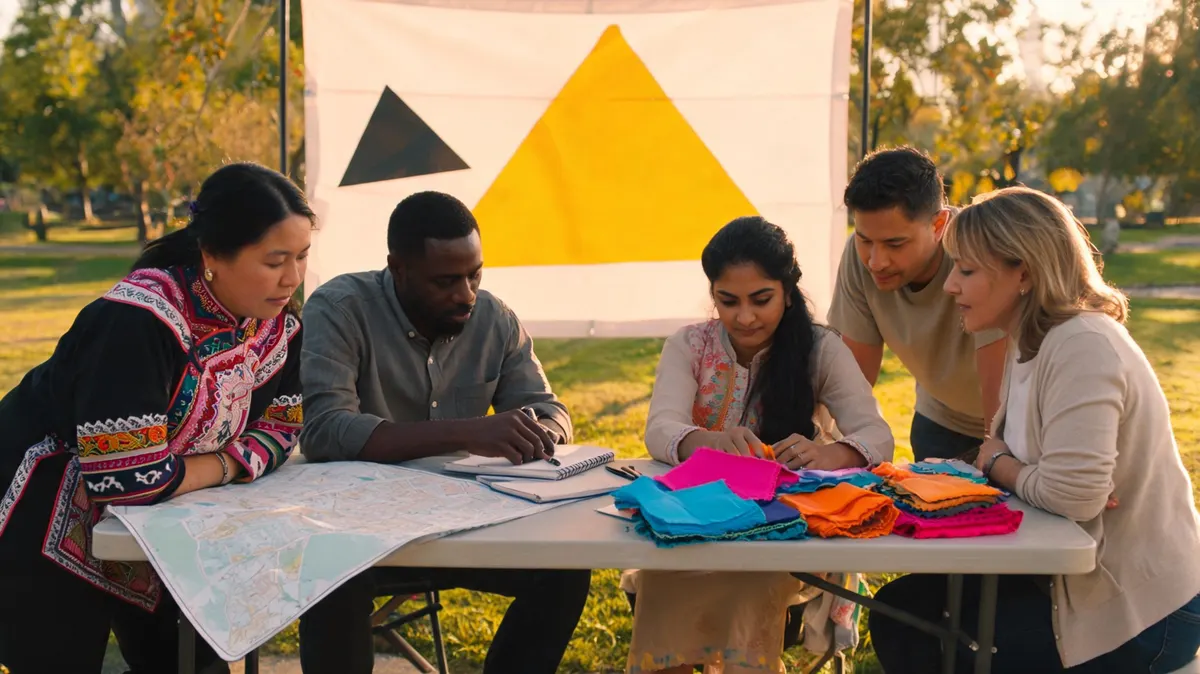

Diversity sponsorship has become one of the most misused terms in the event funding world. Brands approach cultural festivals, BIPOC-led nonprofits, and heritage celebrations with genuine enthusiasm — right up until their marketing team gets the photo they needed. Then the relationship quietly evaporates. If you've run a multicultural event or led a community organization, you've probably experienced this firsthand. This post is about naming the dynamic clearly and giving you tools to build relationships that don't end after the press release.
The Optics Sponsorship Pattern
Here's how optics-driven diversity sponsorship usually looks: a brand reaches out proactively, expresses genuine excitement about your mission and audience, moves quickly to agreement — then at the wrap meeting, the conversation is entirely about social media photos, logo usage approval, and whether their brand is featured "prominently enough" in your post-event coverage.
When renewal comes, the enthusiasm has cooled. Budget has been "reallocated." They might offer a smaller check "to stay connected," which is shorthand for: the PR cycle has moved on.
The tell is always in what they measure. A brand that genuinely values your community will ask about audience outcomes, community impact, and co-created programming. A brand chasing optics will ask about photo deliverables and social impressions. Edelman's Trust Barometer research shows that consumer audiences are increasingly able to distinguish authentic brand community engagement from performative gestures — which means optics-only deals carry reputational risk for you too.
Why This Pattern Hurts Organizers
The optics sponsorship is worse than no sponsorship in some ways. It costs you planning time, execution resources, and deliverable obligations. It creates a false ceiling on your pricing — brands that want optics typically want a low-cost, high-visibility arrangement, which trains you to undervalue your event. And when it ends, you have a gap to fill.
There's also an audience trust dimension. Your attendees know their community is being observed and photographed by brand representatives. If the brand disappears and never invests further, that dissonance registers — sometimes publicly. Stanford Social Innovation Review's reporting on corporate-community partnerships has documented how communities increasingly evaluate brands on the consistency of their investment, not the size of their announcements. Your reputation is tied to the brands you associate with.
How to Screen for Authentic Partners
Before you accept any diversity-framed sponsorship offer, run through these five diagnostic questions in your first meeting:
- Do they have an internal champion beyond the marketing team? Authentic partners typically involve community affairs, CSR, or senior leadership — not just brand activation managers.
- What do they want to learn from your audience? Brands committed to a community want insight, not just imagery.
- Can they articulate why your specific community matters to their business strategy? Vague answers about "values alignment" are a yellow flag. Specific answers about talent recruitment, customer demographics, or regional expansion are green flags.
- Are they willing to co-create programming or activation, or do they just want logo placement? Co-creation requires investment. Logo placement requires a check and a photographer.
- What is their sponsorship renewal history with similar organizations? Ask directly. Legitimate partners will have an answer.
Our guide to brand affinity scoring gives you a quantitative framework for evaluating brand-community fit before you sign anything.
Structure the Deal to Favor Long-Term Investment
If a brand passes your screening and you believe the interest is genuine, structure the deal to reward sustained commitment. Multi-year agreements with escalating benefits give brands a reason to stay — and make it more costly to exit after one event cycle.
Tie deliverables to outcomes, not just visibility. Include provisions for co-branded programming, community investment commitments, or employee volunteer hours — not just logo rights. Brands that balk at multi-year structures or outcome-tied commitments are telling you something important about their intentions.
The Chronicle of Philanthropy has reported extensively on the gap between corporate diversity pledges and actual sustained giving — a dynamic that applies directly to sponsorship as well as charitable giving. Contracts that require ongoing engagement, not just annual payments, are one structural tool to close that gap. See how multi-year structures work in practice at our post on multi-year sponsorships versus grants for funding stability.
Hot Take: You Have More Leverage Than You Think
The conventional wisdom is that multicultural events should be grateful for corporate attention. That framing is backwards. Authentic access to specific cultural communities is genuinely difficult to acquire through paid channels — McKinsey's research on brand trust with diverse consumer segments shows that community-rooted organizations hold trust levels that national brands cannot replicate through advertising.
You are not lucky to have their attention. They are lucky to have access to your community. Price accordingly. Require commitments that reflect that value. Walk away from deals that treat your audience as a backdrop rather than a relationship.
This is the same principle that should govern how you position your entire sponsorship program. Our post on why nonprofits should stop relying on grants alone goes deeper on reframing your funding posture from supplicant to strategic partner.
A Note on Documentation
When a diversity-focused sponsorship does go well, document it obsessively. Audience demographics, community turnout, programming co-creation, brand activation photos showing genuine community engagement — all of it becomes proof that you deliver authentic access, not manufactured diversity optics. That documentation is what converts a one-time sponsor into a long-term partner.
Our sponsorship wrap report template is built specifically to generate the renewal-driving evidence that makes these conversations easy.
What to Do Next
If you're building or rebuilding your sponsorship program and want to attract partners who are serious about sustained community investment — not just seasonal optics — book a free Xarify audit. We'll help you build screening criteria, structure your packages to reward authentic partners, and position your event to command the rates it deserves. See our full service menu to get started.