
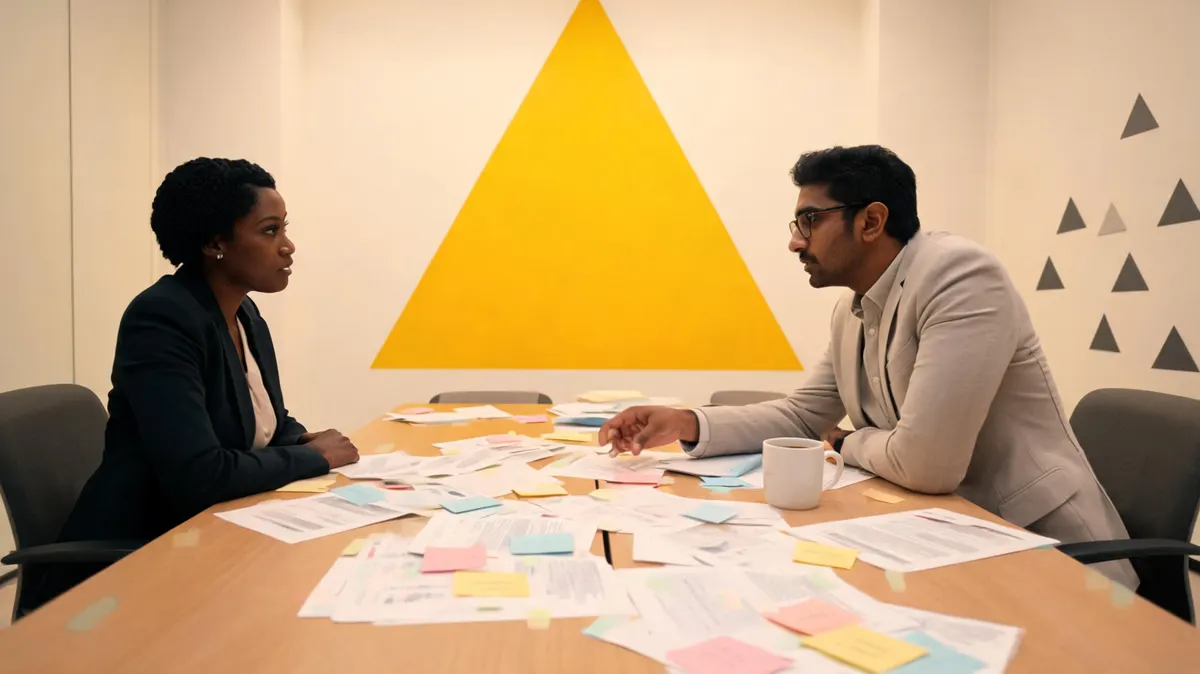
Sponsorship negotiation is where most deals either gain momentum or quietly die. The problem is that organizers default to one conversation: price. Brand says the number is too high. Organizer panics and discounts. Neither side feels good about what they signed. There is a better way to negotiate — one that treats price as one variable among several.
Why Price-First Negotiation Kills Deals
When you lead with price, you turn a partnership conversation into a procurement exercise. The brand's procurement team wants the lowest cost; your instinct is to defend what you built. Both of you lose strategic ground the moment the number becomes the only number that matters.
According to IEG's sponsorship research, brands increasingly evaluate sponsorships on business outcomes — audience reach, data capture, category exclusivity — not flat fees. If you're only negotiating rate, you're having the wrong conversation entirely. Learn how to build a proposal that reframes value before you ever sit down at the table with our guide to writing a sponsorship proposal that closes.
Lever 1: Category Exclusivity
Exclusivity is worth real money to brands, and most organizers give it away without charging for it. If you have a single bank sponsor, every competing financial institution is locked out. That protection has value — price it accordingly.
Hot take: If you're offering "presenting sponsor" without defining category exclusivity in writing, you're handing a brand something valuable for free. Build an exclusivity premium of 15–25% into any tier that includes it. When a brand pushes back on total price, try pulling exclusivity off the table first — you'll learn quickly how much they actually want it.
Lever 2: First-Party Data Rights
Event attendees are a highly qualified audience. Their emails, zip codes, purchase intentions, and demographic profiles are data that brands spend significant budget to reach through paid channels. Harvard Business Review has documented how first-party data has become a premium asset as third-party cookie deprecation accelerates.
When a brand stalls on price, offer a structured data-share instead of a discount. Post-event opt-in audience lists, on-site lead capture integration, or access to registration demographics can substitute for — or justify — dollars. Understand what assets you actually own before any negotiation by building a thorough sponsorship asset inventory.
Lever 3: Activation Rights and Physical Space
What a sponsor can do at your event is often worth more than logo placement. A 10x10 activation booth in a high-traffic zone, the right to sample product, a branded charging station, or exclusive use of the VIP lounge — these are operational assets with real business impact for the brand.
When negotiations stall on price, expand the activation offer instead of cutting the fee. Add a second activation touchpoint or move them to a higher-traffic zone. In many cases, a brand that said $15K was too much will agree to $15K once you've added the right to collect leads on-site. See the full breakdown of activation ideas in our post on activation concepts that brands actually want.
Lever 4: Payment Terms and Timing
Cash flow matters to brands just as much as it matters to you. A $20,000 commitment paid in two installments — half at signing, half 30 days before the event — is often easier to approve than a $20,000 lump sum due immediately.
Consider offering a modest early-commitment discount (5–8%) in exchange for full payment 90 days out. This helps your planning budget and gives the brand's finance team an easy internal win. You can create movement in a stalled deal simply by adjusting when money moves, not how much. Flexible payment structures also reduce the risk that a brand pulls out late — a dynamic covered in detail in our guide to sponsorship contract red flags.
Lever 5: Multi-Year Commitment
Single-year sponsorships carry real uncertainty costs for brands — they have to re-evaluate every cycle, re-approve budget, and re-learn your event. A two- or three-year agreement eliminates that friction and gives both parties planning stability.
According to the Association of National Advertisers, brand managers increasingly favor long-term partnerships over transactional buys because they deliver better audience recall and deeper brand association. Offer a 5–10% rate lock in exchange for a two-year commitment. You give up a small annual increase; you gain certainty. Most brands will take that deal. Multi-year structures also give you the leverage outlined in our 90-day renewal playbook.
How to Use These Levers Together
The strongest sponsorship negotiators don't pick one lever — they build a menu. Before any negotiation, map out what you're willing to give on each dimension:
- Exclusivity: Is it already included, or can you add or remove it?
- Data: What audience data can you legitimately share post-event?
- Activation space: Which locations or touchpoints have flexibility?
- Payment terms: What split structure keeps your cash flow healthy?
- Contract length: Would a two-year deal work operationally?
When a brand objects to price, your next move is to trade, not discount. Pull one item from the menu and ask: "If I add X, does that change the conversation?" McKinsey research on B2B sales consistently shows that value-added negotiations outperform price-only negotiations in both close rate and long-term relationship quality.
One more thing: know your walk-away number before you sit down. If a brand won't meet your minimum after you've exhausted all five levers, it's better to hold your rate than to sign a deal that devalues your property. Sponsors talk to each other. The price you accept today is the anchor for every future conversation.
What to Do Next
If you're heading into sponsorship negotiations and want a clear picture of what your event's assets are actually worth — before you name a number — book a free sponsorship audit with Xarify. We'll map your assets, benchmark your pricing, and help you build a negotiation strategy that doesn't start and end with rate. See our full service pricing to understand what a structured sponsorship engagement looks like.