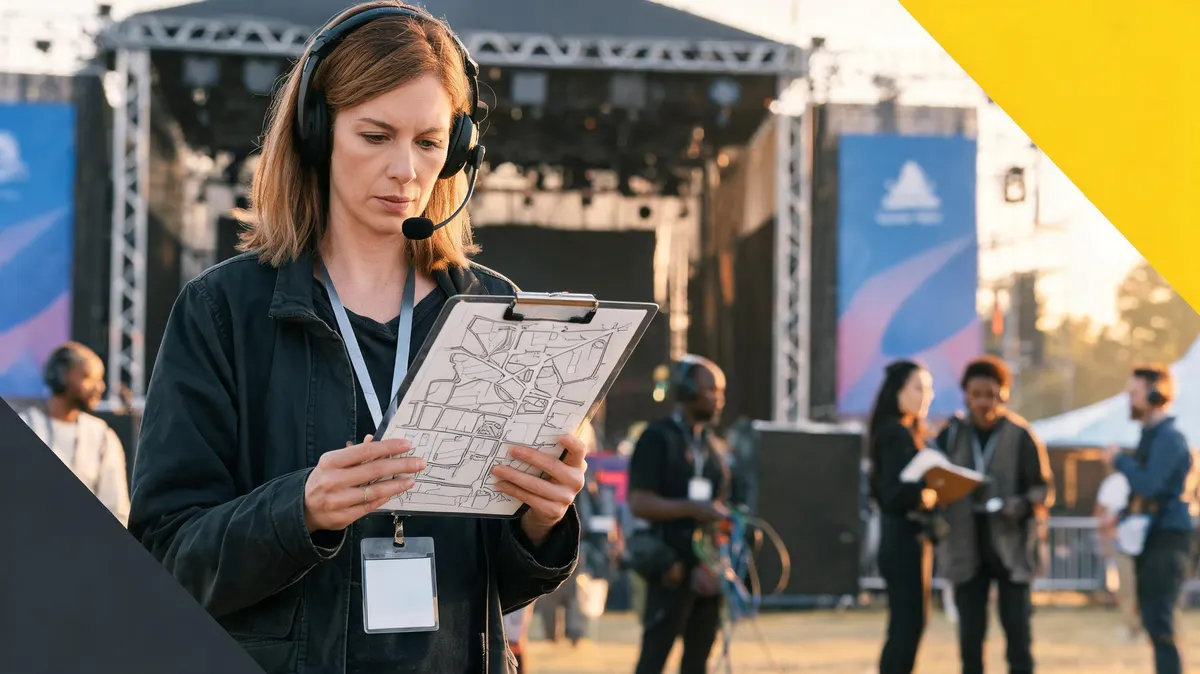
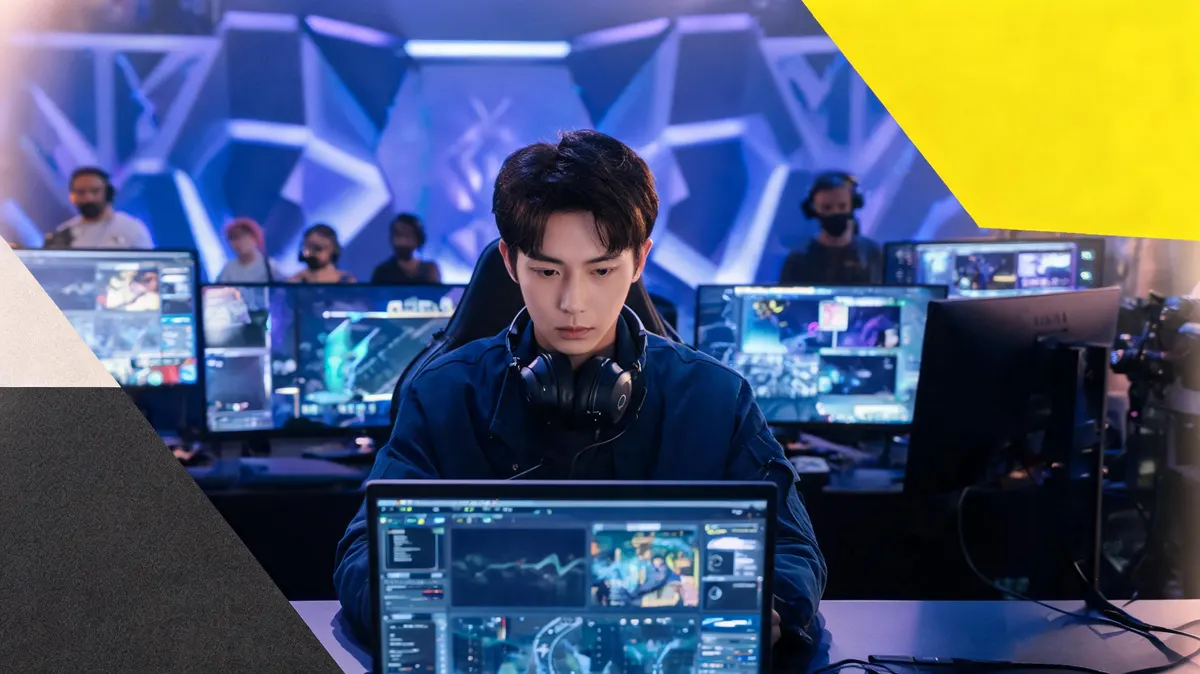
Esports and creator sponsorship operates on different logic than every other event vertical in this guide. The audience is younger, the platforms are different, the metrics are different, and the brands writing checks are often the same ones that would never sponsor a 5K or a nonprofit gala. If you are managing an esports tournament, a gaming content creator partnership, or a LAN event and you are trying to apply traditional sponsorship frameworks to it, you are going to get deals wrong. Here is what actually works.
The Audience Profile That Changes Everything
Esports and gaming audiences skew 18–34, digitally native, brand-skeptical, and deeply loyal to creators and teams they trust. That last characteristic is the key insight: in gaming, audience trust transfers. When a creator or team endorses a product authentically, it carries disproportionate weight compared to a banner at a traditional event. When that endorsement feels forced or inauthentic, the audience reacts negatively and loudly.
According to Statista's esports industry data, global esports revenues exceeded $1.3 billion in recent years, with sponsorship and media rights accounting for the largest share. But the brands in that mix are not the same ones sponsoring community events — they are endemic brands (hardware, peripherals, energy drinks, game publishers) and non-endemic brands (financial services, automotive, QSR chains) trying to reach an audience they cannot access through traditional media.
Endemic vs. Non-Endemic Sponsors
This distinction matters more in esports than in any other vertical. Know who you are talking to:
- Endemic sponsors are brands that are part of gaming culture: PC hardware manufacturers (ASUS, Corsair, Razer), energy drink brands (Monster, GFuel, Celsius), gaming peripherals, headset brands, streaming software companies. These brands understand the space. Pitching them is easier but pricing is more competitive — they talk to a lot of events.
- Non-endemic sponsors are brands outside gaming trying to reach gaming demographics: automotive brands, banks, insurance companies, QSR chains, apparel brands. These brands need more education about why your event reaches their target audience, but they are often willing to pay a premium for authentic access to a demographic that actively avoids their traditional advertising.
For most regional esports events and creator partnerships, non-endemic sponsors are the larger opportunity. A regional credit union that wants to reach young adults has very few channels where that audience trusts the messenger. You — the tournament organizer or the creator — are that messenger. Price accordingly.
Harvard Business Review has documented how Gen Z audiences process brand messaging through trusted peer networks and creators rather than traditional advertising, making esports and creator partnerships uniquely effective for non-endemic brand outreach.
Creator Sponsorship: What Brands Buy
If you are a content creator building a sponsorship pitch, your core assets are different from an event organizer's:
- Integration mentions: Verbal or visual product mentions within content — pre-roll equivalent. Priced per video or per stream.
- Dedicated sponsored segments: A defined portion of a video or stream focused on the sponsor's product. Higher value than integration, requires more creative coordination.
- Affiliate and discount code programs: Creator promotes a unique code; brand tracks conversions. Many brands prefer this for performance-based deals — understand when it is in your interest and when it is not.
- Social media content series: A defined number of posts, stories, or short-form videos across platforms.
- Live event or tournament appearance: In-person appearances that connect digital audience to physical events.
Rate cards for creators exist on platforms like Influencer Marketing Hub, but they are reference points, not ceilings. Creators with highly engaged niche audiences often outperform creators with larger but less engaged followings — engagement rate matters more than follower count for most sponsors. For comparison with traditional event sponsorship pricing, see podcast sponsorship vs. event sponsorship pricing.
Esports Event Inventory
A live or online esports tournament has its own distinct asset inventory. Most organizers undersell it:
- Stream overlay branding: Persistent logo placement visible to every viewer for the full broadcast duration. This is the highest-impression asset and should be priced as such.
- Bracket and tournament structure naming: "The [Brand] Championship Bracket" — name rights to the competitive structure itself.
- Caster and host read-throughs: On-air talent delivering sponsor messages. Higher trust transfer than overlays.
- Prizing and award presentation: Brand funds or co-presents the prize pool. Highly visible, high recall.
- In-venue activation (for LAN events): Hardware demonstration stations, branded gaming setups, product trial.
- Discord and community channel integration: Access to tournament Discord servers for targeted messaging with consent.
- Clip and highlight sponsorship: Branded highlights posted post-event generate long-tail views beyond the live broadcast.
Metrics Sponsors Expect in Gaming
Do not bring impressions and attendance figures to a gaming sponsor conversation without supplementing them with digital metrics. Esports-savvy sponsors expect:
- Average concurrent viewers (ACV) for live streams
- Peak concurrent viewership
- Total hours watched
- Chat engagement volume during sponsor mentions
- Social clip views and share metrics post-event
- Click-through on affiliate codes or branded links
Event Industry News has reported that esports sponsors are increasingly sophisticated in demanding post-event data reporting that mirrors digital media buying metrics. Build your data collection infrastructure before your first event, not after. For the broader sponsorship metrics framework, see our guide to honest sponsorship impressions calculation.
The Authenticity Requirement
This is where esports and creator sponsorship diverges most sharply from traditional event sponsorship. A banner at a road race is ambient; the audience does not have an opinion about it. A creator who reads a sponsor message in a flat, clearly-reluctant voice loses audience trust — and that trust is the asset the sponsor paid for.
When structuring creator deals, give talent genuine creative input on how the sponsor message is delivered. Brands that mandate word-for-word scripts in gaming deals consistently underperform compared to brands that brief the creator and let them translate it into their voice. Protecting your talent's authenticity protects the sponsor's investment.
IEG's research on sponsorship effectiveness has consistently found that authentic, integrated sponsorships outperform passive logo placements across all event categories — the effect is amplified in gaming where audiences are hyper-aware of commercial content. For the full proposal structure that accounts for these nuances, see our post on how to write a sponsorship proposal that closes.
What to Do Next
Esports and creator sponsorship rewards organizers and talent who understand that the rules of engagement are different here — not easier or harder, just different. Build digital-first inventory, source both endemic and non-endemic prospects, and price on engaged-audience value rather than raw attendance.
Xarify helps gaming events and digital creators build sponsor-ready packages that close with the right brands. Book a free sponsorship audit to find out what your event or channel is worth to sponsors who want your audience.